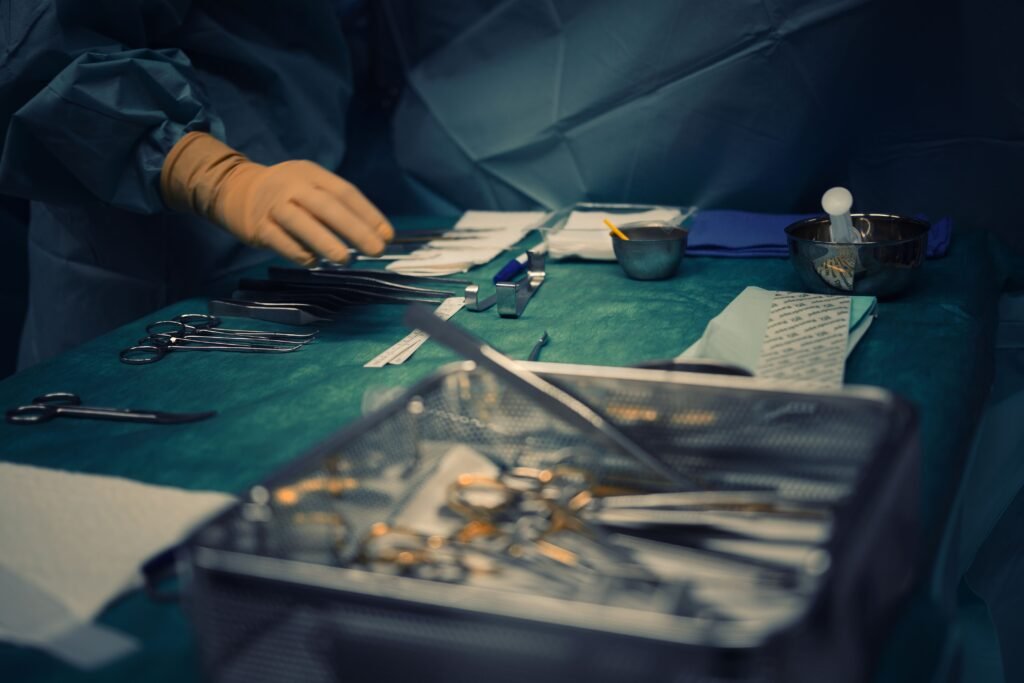
Minor surgical procedures are used for selected skin and soft-tissue problems such as some cysts, abscesses and superficial lumps. A small procedure is still a medical intervention, so the diagnosis, location, infection risk, anaesthesia and aftercare should be considered before treatment.
Assessment before a minor procedure
The clinician first evaluates what the lump or swelling is likely to be and whether a procedure is appropriate. Some conditions need imaging, antibiotics, specialist referral or observation instead of immediate removal or drainage.
Cysts and superficial lumps
Selected cysts or benign-appearing superficial lumps may be removed when they are symptomatic, recurrent, infected, enlarging or creating another clinical concern. When tissue is removed, the clinician may recommend laboratory examination depending on the diagnosis and procedure.
Abscess treatment
An abscess is a collection of infection that may require drainage. The need for drainage, antibiotics or additional treatment depends on the size, location, surrounding infection and the patient’s general health. Facial, deep or recurrent infections may require a different level of assessment.
Anaesthesia, wound care and follow-up
Some minor procedures can be performed under local anaesthesia, while others require a different setting. Patients should receive specific instructions about dressings, bathing, pain control, activity, suture removal when relevant and follow-up.
When to contact the clinical team
Increasing pain, spreading redness, fever, significant bleeding, pus, wound separation or rapid worsening after a procedure should be reviewed. Patients with diabetes, immune suppression or other important medical conditions may need additional precautions.
Patient information: This page is general educational information. Whether a minor procedure is suitable can only be decided after examination.